
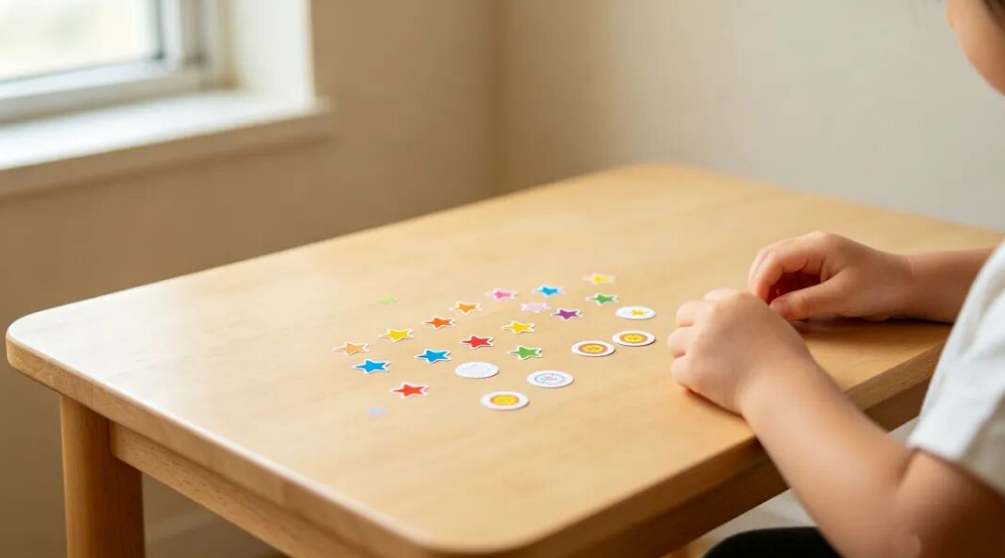
Sticker rewards may secure short-term cooperation from children but can weaken their intrinsic motivation, so families and schools should reduce material exchanges for everyday behavior and instead describe facts and affirm feelings to protect children’s self-driven willingness.
Read Full ArticleEditor's Picks
Featured Articles


Fresh Reads
Recommended Articles
How to provide effective support for children's learning?
Parents and teachers work together through ongoing communication, shared goal setting, participation in learning, emotional support, and regular evaluation and reflection to promote children's academic progress and holistic development.
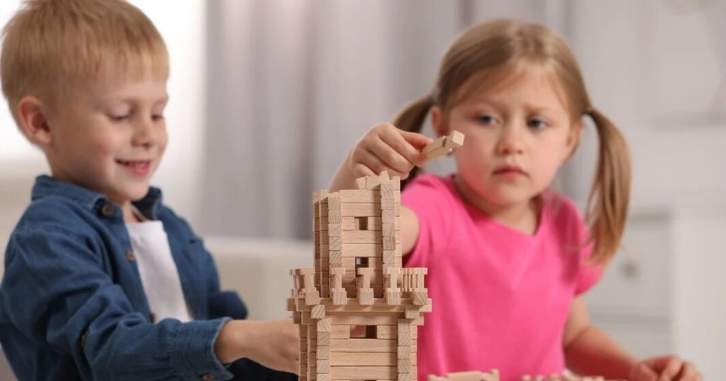
Equipping Children with 'Brain Commanders': A Guide to Enhancing Children's Executive Function
Children's executive function, composed of working memory, inhibitory control, and cognitive flexibility, can be strengthened through home-based training and environmental support to improve the self-management skills needed for learning, social interaction, and independent living.

How to Protect Your Child's Privacy and Data Security in the Digital Age
In the digital age, parents need to lead by example, co-create family digital rules with their kids, and steadily nurture their children's sense of data ownership—so they can safeguard their privacy and help them grow into independent individuals who manage their own digital identity with confidence.

How to Teach Children What to Do in an Emergency
Every parent worries about their child's safety, but teaching children how to protect themselves is the real foundation of keeping them safe. Education experts recommend the following 10 questions as a practical starting point.

How to provide complete protection for children in divorced families
In divorced families, parents should sustain love and security through cooperation, stability, and patience, so that although the family form changes, the core of love remains, helping children overcome psychological difficulties.
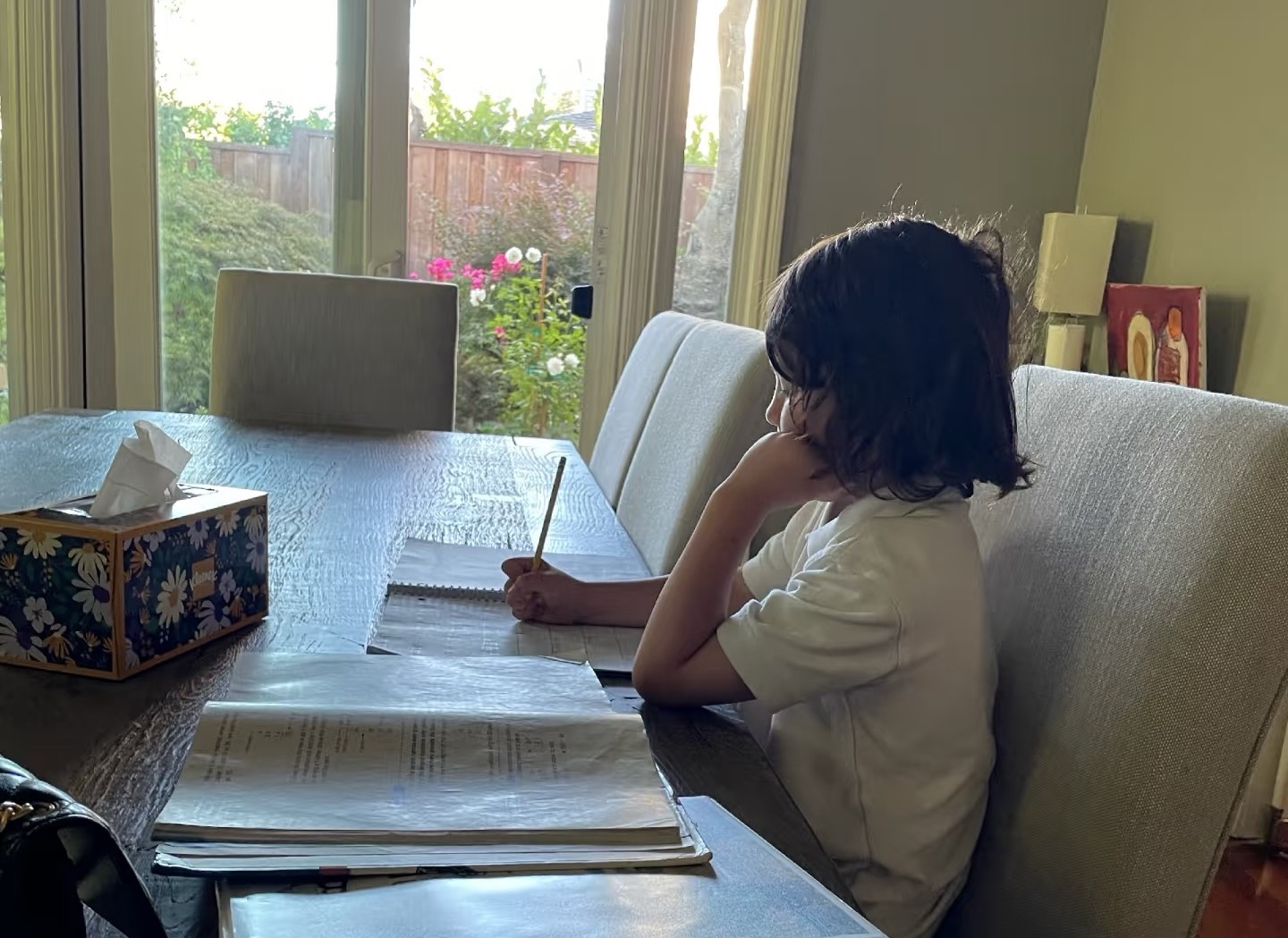
Homework Without Yelling or Nagging: A Replicable Process That Gets Kids to Start on Their Own, Write Faster, and Make Fewer Mistakes
Homework management does not rely on nagging or scolding; a consistent routine, clear time boundaries, and calm parental support are all it takes to help children gradually develop autonomy, focus, and self-checking habits.
Explore More
Reader Favorites
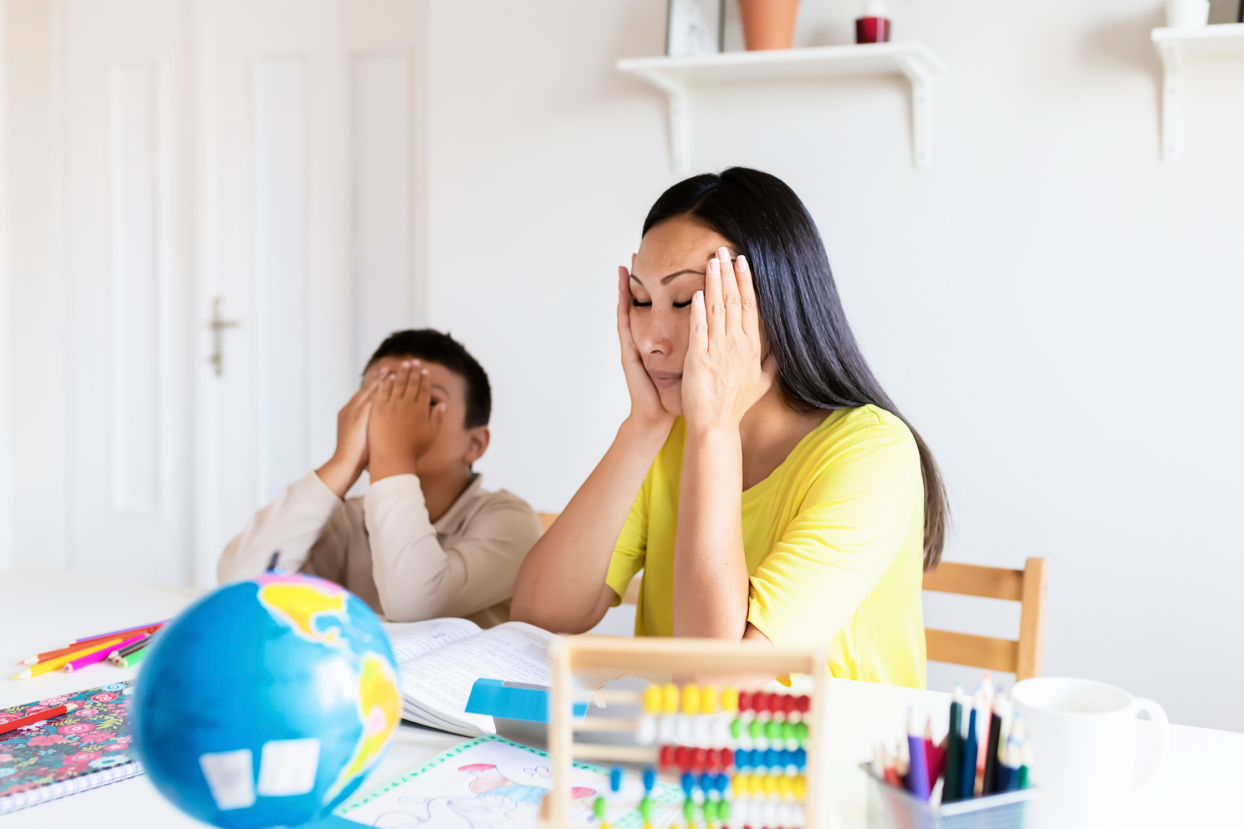
Useful Learning Resources for Children Who Struggle with Homework
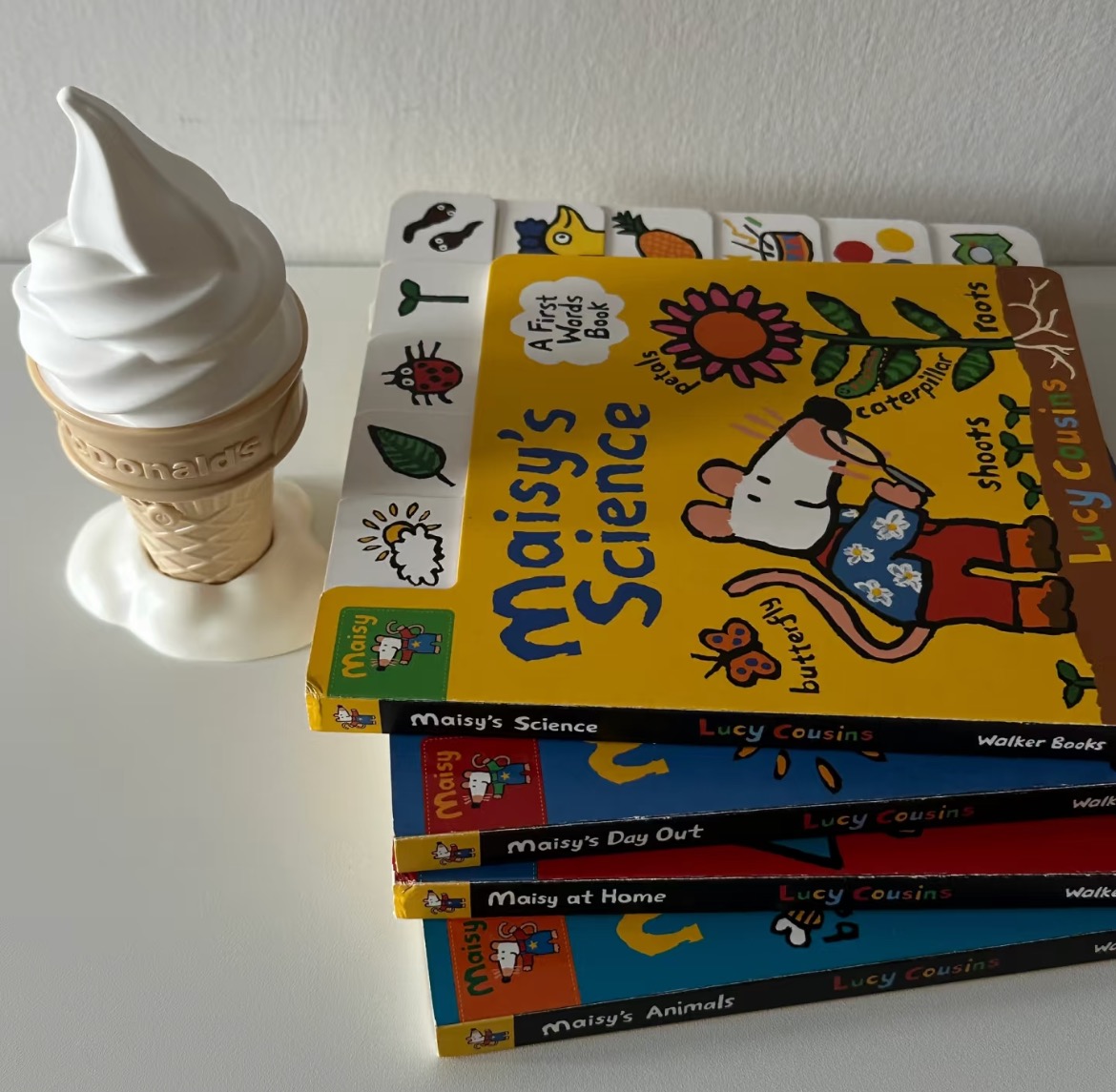
Stop Buying Picture Books at Random: How to Choose and Read Them for Ages 0'6
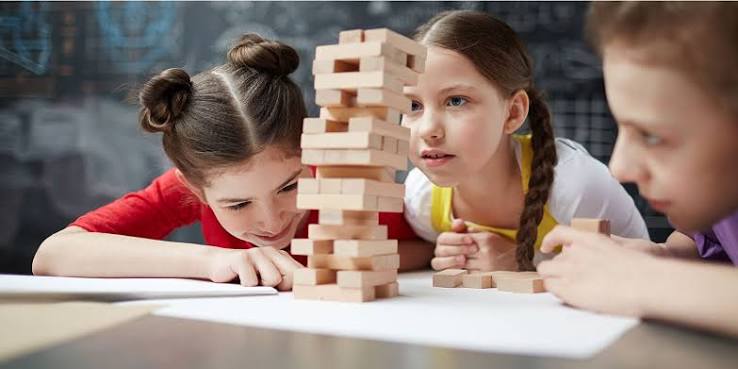
How Educational Games Can Support Children's Learning
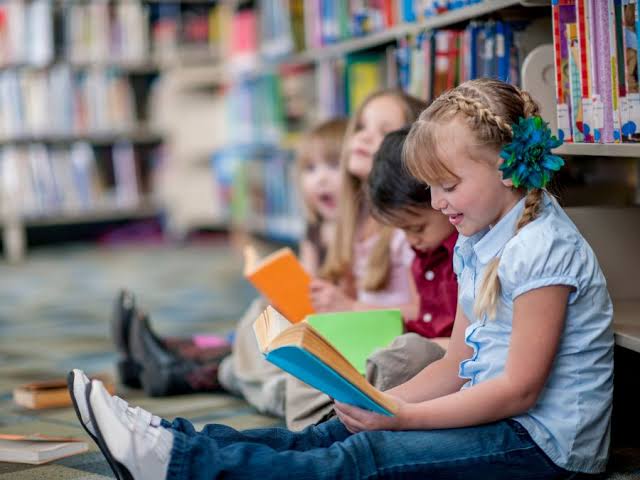
How Libraries Can Become Valuable Learning Resources for Children
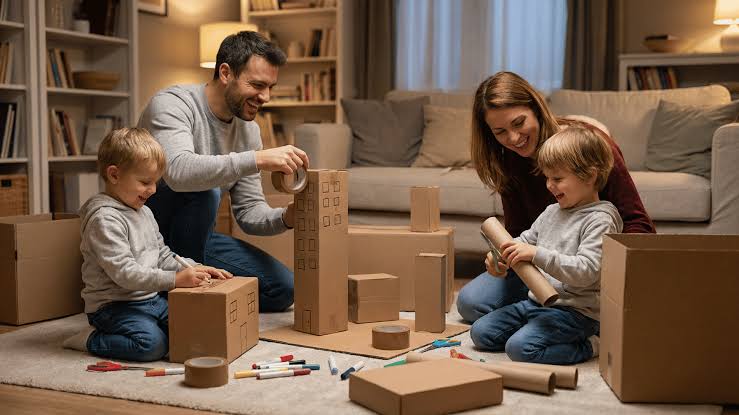
Learning Through Play: How Play Supports Children's Learning and Development